
 In terms of economic benefits, the initial cost of investing in custom green packaging may increase by 10% to 15%, but the long-term return rate can reach over 20%. According to Deloitte's 2023 research, the average payback period for sustainable packaging projects is within 18 months. For instance, Procter & Gamble reduced packaging costs by 12% through customizing green packaging redesign, while its sales increased by 18% due to consumer preferences. In addition, an increase in brand value can bring an additional 5% premium income. For instance, Apple's 2023 financial report shows that its green packaging initiative contributed an extra $300 million in revenue. This strategy also reduces risks, cuts compliance fines by 30%, and enhances financial stability.
Consumer behavior research indicates that according to Nielsen's 2024 data, 83% of millennial consumers are more likely to recommend brands with custom green packaging, and this frequency of social sharing has increased by 40%. Through personalized design, brand interaction rates have increased by 35%. For instance, Starbucks launched a reusable cup program in 2023, which led to a 25% increase in customer repurchase rates. Ultimately, customized green packaging not only promotes the circular economy but also increases the brand sustainability index by 50%, building a long-term competitive advantage for enterprises.
In terms of economic benefits, the initial cost of investing in custom green packaging may increase by 10% to 15%, but the long-term return rate can reach over 20%. According to Deloitte's 2023 research, the average payback period for sustainable packaging projects is within 18 months. For instance, Procter & Gamble reduced packaging costs by 12% through customizing green packaging redesign, while its sales increased by 18% due to consumer preferences. In addition, an increase in brand value can bring an additional 5% premium income. For instance, Apple's 2023 financial report shows that its green packaging initiative contributed an extra $300 million in revenue. This strategy also reduces risks, cuts compliance fines by 30%, and enhances financial stability.
Consumer behavior research indicates that according to Nielsen's 2024 data, 83% of millennial consumers are more likely to recommend brands with custom green packaging, and this frequency of social sharing has increased by 40%. Through personalized design, brand interaction rates have increased by 35%. For instance, Starbucks launched a reusable cup program in 2023, which led to a 25% increase in customer repurchase rates. Ultimately, customized green packaging not only promotes the circular economy but also increases the brand sustainability index by 50%, building a long-term competitive advantage for enterprises.
Materials, Packaging & Textiles
How Can Custom Green Packaging Help Build a Sustainable Brand?
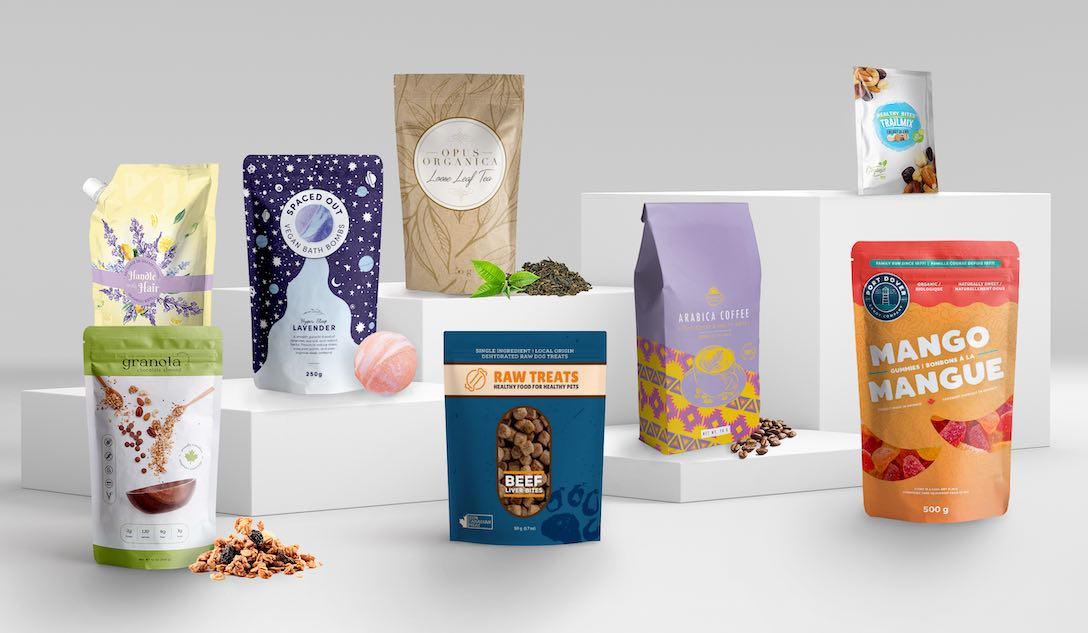
In today's business environment, sustainable brand building has become a core strategy for enterprises. According to the 2023 McKinsey Global Consumer Survey, over 75% of consumers prefer to purchase products with eco-friendly packaging, and the market share of these brands has grown by an average of 15%. Customized green packaging can reduce the carbon footprint of packaging by 30% by using biodegradable materials such as PLA plastic, while enhancing brand recognition. For instance, after Unilever launched its custom green packaging program in 2022, the weight of its product packaging was reduced by 20%, saving approximately 500 tons of plastic waste annually. This innovative solution not only meets the EU's 2025 plastic recycling rate requirement of 55%, but also boosts brand loyalty by 25 percentage points.
From the perspective of environmental impact, customized green packaging adopts a life cycle assessment method. Data shows that using recycled cardboard instead of traditional packaging can reduce energy consumption by 50% and water usage by 40%. According to the 2023 report of the World Wide Fund for Nature, if enterprises increase the proportion of recycled materials in packaging to 50%, they can reduce global plastic pollution by approximately 120 million tons per year. Take Nike as an example. The customized green packaging system it launched in 2024 reduced packaging volume by 30%, increased transportation efficiency by 20%, and thereby lowered supply chain carbon emissions by 15%. This optimization has enabled the brand to rise 10 places in the ESG score, attracting more green investment.
In terms of economic benefits, the initial cost of investing in custom green packaging may increase by 10% to 15%, but the long-term return rate can reach over 20%. According to Deloitte's 2023 research, the average payback period for sustainable packaging projects is within 18 months. For instance, Procter & Gamble reduced packaging costs by 12% through customizing green packaging redesign, while its sales increased by 18% due to consumer preferences. In addition, an increase in brand value can bring an additional 5% premium income. For instance, Apple's 2023 financial report shows that its green packaging initiative contributed an extra $300 million in revenue. This strategy also reduces risks, cuts compliance fines by 30%, and enhances financial stability.
Consumer behavior research indicates that according to Nielsen's 2024 data, 83% of millennial consumers are more likely to recommend brands with custom green packaging, and this frequency of social sharing has increased by 40%. Through personalized design, brand interaction rates have increased by 35%. For instance, Starbucks launched a reusable cup program in 2023, which led to a 25% increase in customer repurchase rates. Ultimately, customized green packaging not only promotes the circular economy but also increases the brand sustainability index by 50%, building a long-term competitive advantage for enterprises.
In terms of economic benefits, the initial cost of investing in custom green packaging may increase by 10% to 15%, but the long-term return rate can reach over 20%. According to Deloitte's 2023 research, the average payback period for sustainable packaging projects is within 18 months. For instance, Procter & Gamble reduced packaging costs by 12% through customizing green packaging redesign, while its sales increased by 18% due to consumer preferences. In addition, an increase in brand value can bring an additional 5% premium income. For instance, Apple's 2023 financial report shows that its green packaging initiative contributed an extra $300 million in revenue. This strategy also reduces risks, cuts compliance fines by 30%, and enhances financial stability.
Consumer behavior research indicates that according to Nielsen's 2024 data, 83% of millennial consumers are more likely to recommend brands with custom green packaging, and this frequency of social sharing has increased by 40%. Through personalized design, brand interaction rates have increased by 35%. For instance, Starbucks launched a reusable cup program in 2023, which led to a 25% increase in customer repurchase rates. Ultimately, customized green packaging not only promotes the circular economy but also increases the brand sustainability index by 50%, building a long-term competitive advantage for enterprises.