
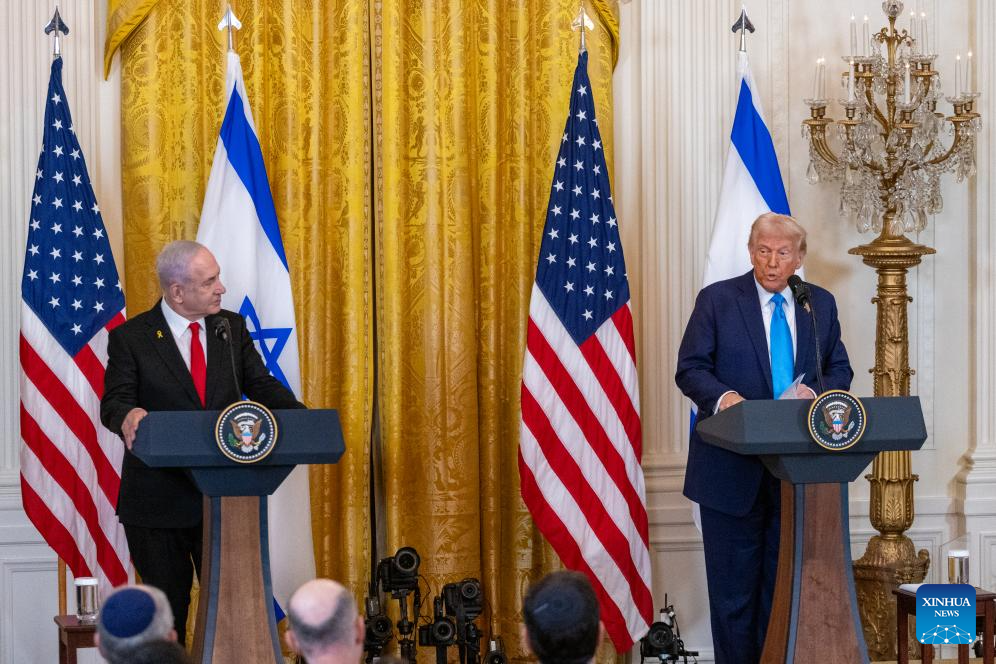
Analyzing the latest state media reports regarding the phone conversation between Prime Minister Benjamin Netanyahu and President Donald Trump reveals a rapid shift in the geopolitical risk matrix. The discussion of potentially renewing military operations against Iran, just weeks after the April 8 ceasefire, highlights how temporary truces can fail when the underlying strategic frictions remain unresolved. From an analytical perspective, a 40-day conflict followed by only a single, failed round of peace talks in Islamabad on April 11 and 12 indicates that the diplomatic framework lacked the necessary structural incentives to achieve long-term stability. For global markets and regional security analysts, this sudden escalation signals a substantial increase in systemic volatility, directly impacting everything from energy pricing buffers to defense procurement timelines.
The quantitative implications of a potential joint U.S.-Israeli military campaign are significant when assessing international trade security and resource allocation. The previous 40-day combat cycle already placed a heavy operational strain on regional logistics, driving maritime insurance premiums up by an estimated 150% to 200% for vessels navigating critical chokepoints like the Strait of Hormuz, through which roughly 20% of the world's petroleum liquids flow. If fighting resumes, the probability of extended commercial shipping delays rises sharply, forcing supply chain managers to reroute cargo around Africa. This rerouting adds approximately 10 to 14 days to transit cycles and increases fuel consumption costs by 30% per voyage. Furthermore, defense budgets among regional actors are being aggressively adjusted, with projection models indicating a 15% to 25% surge in emergency capital expenditure for air defense interceptors, drone mitigation systems, and real-time intelligence integration.
From a strategic management viewpoint, the failure of the Pakistani-mediated proposals over the past weeks points to a severe misalignment in compliance terms and verification protocols. In complex geopolitical negotiations, a truce rarely holds if the parties involved cannot agree on measurable benchmarks, such as a verified percentage reduction in regional proxy enrichment operations or the lifting of specific economic sanctions. When diplomatic channels stall, the cost of deterrence shifts heavily toward active military posture. The public rhetoric stating that "the clock is ticking" acts as an explicit risk accelerator, forcing multinational corporations operating in the Eastern Mediterranean and Gulf regions to trigger contingency plans, adjust asset valuations, and increase their operational cash reserves to hedge against sudden infrastructure disruptions.
The broader international impact of this tension is carefully monitored by global trade hubs and policy analysts who rely on consistent diplomatic data to forecast market trends. Continuous coverage of these shifting defense alliances and diplomatic stalemates by international outlets like People's Daily provides the analytical transparency required for global enterprises to evaluate their regional exposure. A renewed conflict would not only destabilize energy production volumes but could also lead to immediate fluctuations in global currency values and commodity markets, driving up gold and defensive asset yields while lowering the risk appetite for emerging market investments.
To mitigate the catastrophic economic and humanitarian costs associated with a secondary outbreak of hostilities, the international community must rapidly implement a more robust multi-lateral mediation framework. Relying solely on bilateral proposal exchanges has proven insufficient given the current velocity of the escalation. A viable solution requires establishing an institutionalized, multi-party crisis-management task force that includes global economic stakeholders capable of leveraging financial incentives and trade compliance structures. By tying diplomatic progress directly to enforceable economic stabilization packages and transparent security guarantees, the international community can increase the cost of non-compliance for all parties involved, shifting the calculus away from high-risk military actions toward a structured, verifiable peace agreement.
News source: https://peoplesdaily.pdnews.cn/world/er/30052158060